













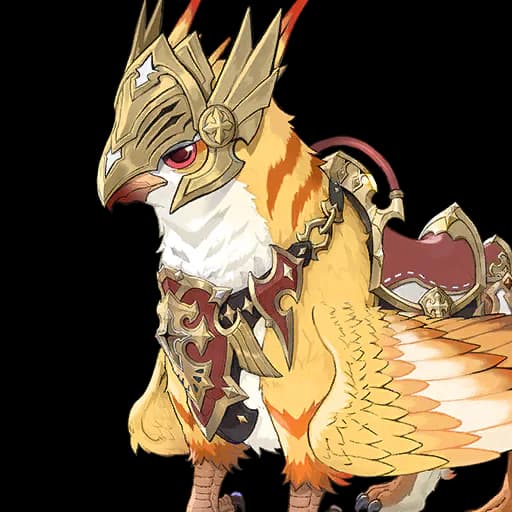




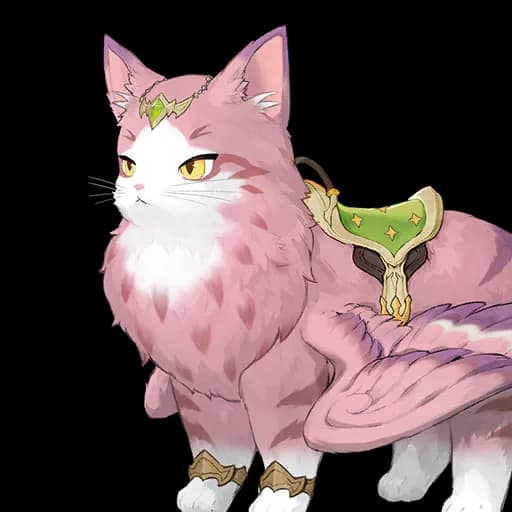










Familiar database guide
How to compare Familiars, travel stats, and abilities
Use the Familiar catalog to search and filter the current roster, understand movement and stamina records, inspect abilities, and connect a choice to exploration or a saved team.
Use categories to answer a collection question
The Familiar page is a searchable catalog rather than a manual four-of-four collection tracker. Its 29 current records are grouped by the published Familiar categories and shown in horizontal filters so every available group remains visible. Search by localized name when you know the target, or select one category to inspect comparable records. A category describes classification, not combat strength, rarity, ownership, or completion. The page does not assume that a record is collected just because it appears in the database. Your actual save progress belongs to save-driven pages; this catalog remains a stable reference for discovering Familiars and opening the exact detail needed for movement, ability, source, or team questions.
Read movement, stamina, and weight as different facts
Movement speed helps compare travel behavior, while stamina actions describe costs or recovery tied to the published Familiar system. Weight is another recorded property and should not be silently converted into a speed or endurance score. Compare the same field across candidates and keep units and action context visible. A higher movement number can matter for exploration, but it does not prove easier handling, better combat, shorter routes, or superior performance in every area. If a detail page lacks a field, treat it as unavailable evidence rather than zero. Use the map to judge where the travel choice matters, and confirm terrain, obstacles, account unlocks, and live behavior inside the game.
Check native abilities and unlock conditions
A Familiar can reference one or more native abilities. Open the detail page to see the ability names, published descriptions, unlock levels, and other recorded conditions instead of deciding from the portrait or category alone. An unlocked ability and an ability merely present in the system are different states. The database can show which ability indexes belong to the Familiar and how the current export describes them, but it does not invent cooldowns, hidden coefficients, target behavior, or effects that are absent from the record. Compare abilities that serve the same practical goal and verify the decisive effect in game, especially when a translation is short or the behavior depends on terrain, summoning, travel, or an encounter.
Treat the Familiar slot as a separate team decision
The team builder stores one Familiar choice alongside the three heroes, but that choice does not create or repair a Tag-skill chain. Hero links are validated from applied statuses and activation conditions in hero skills. The Familiar slot should therefore be evaluated for its own published ability and movement role after the hero route is valid. In the build planner, a Familiar is saved with each hero configuration so a loadout can represent the intended companion without replacing equipment or Karma. Keeping these layers separate makes failures easier to understand: a broken hero connection remains broken even when a strong Familiar is selected, and a useful travel Familiar does not need to be ranked as a combat connector.
Verify acquisition and ownership in the right place
The detail page can expose published source labels and relationships, but a source does not guarantee a drop rate, current event, shop stock, or account access. Use a map link when a supported location exists and keep broad source text broad when the data is not more precise. To see what your account has actually collected, load the local save on the progress-oriented pages; the file is processed in the browser and is not uploaded. The Familiar catalog itself does not mark records manually or convert database coverage into a completion percentage. Recheck acquisition in game before spending limited currency, and revisit the record after a version update if an ability, source, movement value, or category changes.